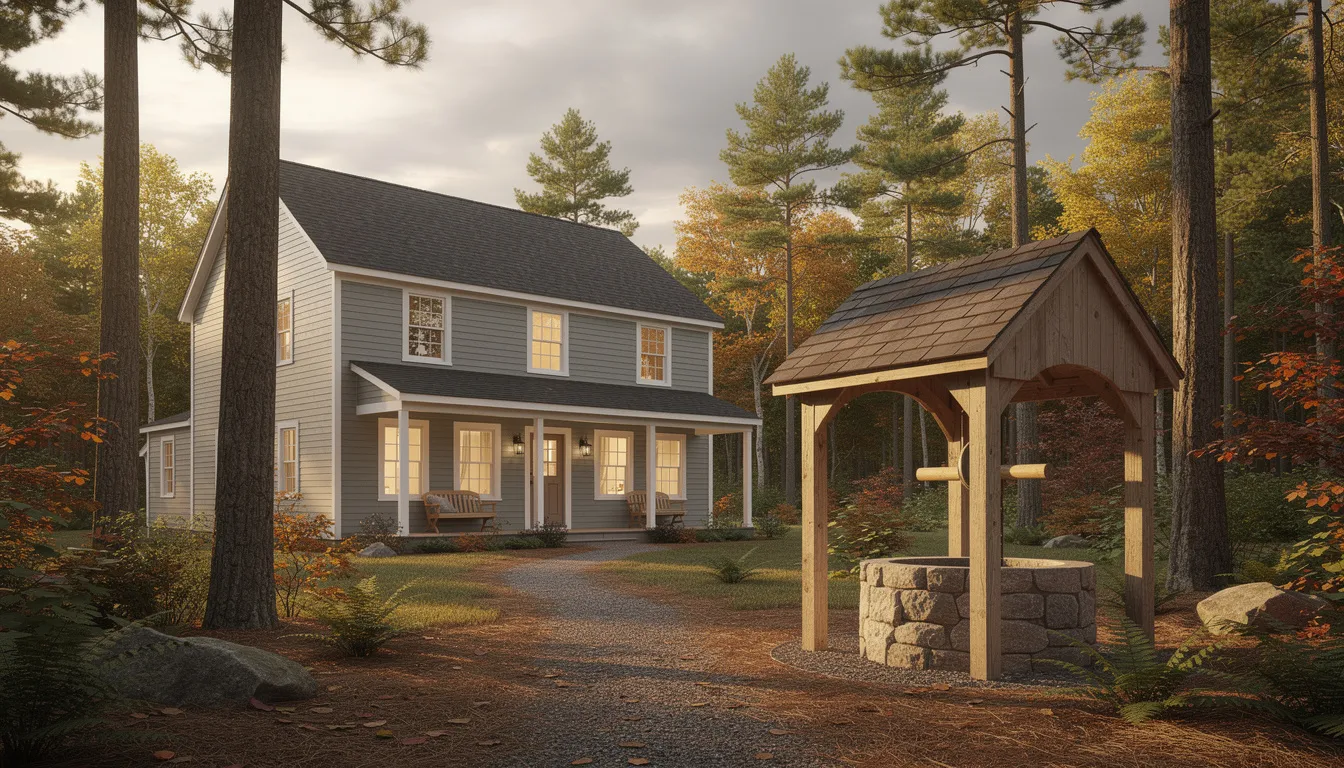
Introduction to Indoor Air Quality
Indoor air quality is a crucial factor in creating a healthy and comfortable home environment. It refers to the condition of the air inside your living spaces, including crawlspaces, basements, and main living areas. Poor indoor air quality can result from a variety of sources, such as mold growth, airborne particles like dust and pollen, and gaseous pollutants that may enter from the ground or be released by building materials. When these contaminants accumulate, they can lead to respiratory issues, allergies, and other health concerns for your family.
Crawlspaces are particularly vulnerable to poor air quality due to their tendency to trap moisture and promote mold growth. Mold spores and other airborne particles can easily migrate from the crawlspace into the rest of your home, affecting the air you breathe every day. Proper ventilation, combined with effective air purification systems, is essential for reducing these risks. By understanding the factors that impact indoor air quality and taking proactive steps to address them, homeowners can create a safer, cleaner, and more comfortable living space for everyone.
Fast Crawlspace Indoor Air Quality Purification Help In Piscataquis County
Aerus of Brewer Maine provides crawlspace air purification assessments and systems throughout Piscataquis County, including Dover-Foxcroft, Milo, Guilford, Greenville, and Brownville. Whether you own a year-round residence or a seasonal camp near Moosehead Lake, our team understands the unique challenges that Maine crawlspaces present.
Crawlspace moisture, persistent odors, and stagnant musty air can affect the indoor air quality in living spaces above—especially in older Maine homes built before 1980. The stack effect draws air upward through gaps around plumbing, wiring, and floor penetrations, meaning whatever conditions exist in your crawlspace can influence the air your family breathes every day.
Our recommended approach combines air purification, proper ventilation strategy, and moisture control rather than relying on a single gadget. This integrated method addresses the root causes of poor air quality in crawl spaces while treating the airborne particles and odors that linger.
Ready to assess your crawlspace conditions? Call Aerus of Brewer Maine at (207) 989-5143 or message us online to schedule a crawlspace air and moisture review.
Here’s why timely assessment matters:
-
Persistent musty or earthy odors in your home’s main living areas
-
Visible condensation on floor joists or subfloor materials
-
Prior water intrusion from spring thaw or heavy rains
-
Family members noticing stale or damp basement clean air concerns
-
Recent encapsulation work that needs air treatment to complete the system
-
Plans to finish or improve your basement or lower level
Crawlspace Challenges In Piscataquis County Homes
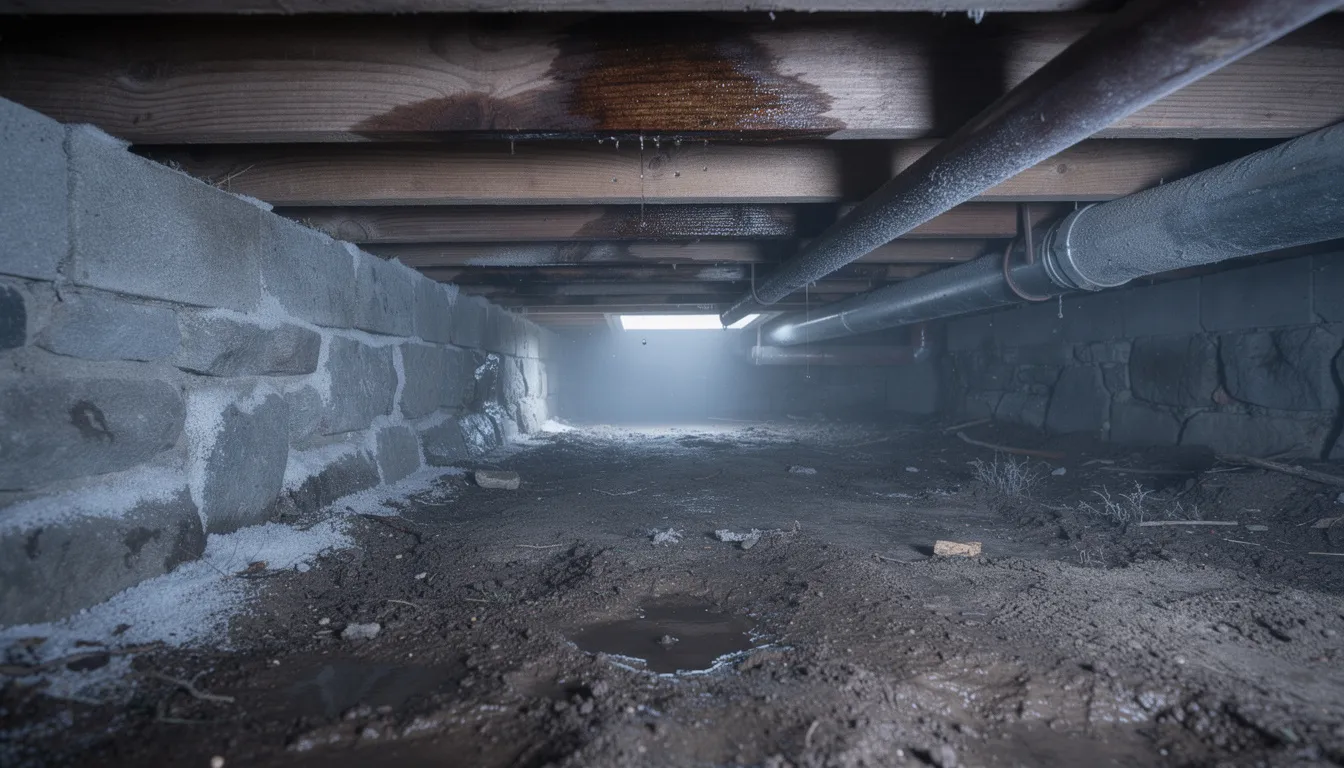
Piscataquis County homes face crawlspace conditions shaped by seasonal snowmelt, high water tables near the Piscataquis River, and older foundations built with block or stone walls. With average home ages exceeding 50 years across the county and over 40 inches of annual precipitation, excess moisture is a constant concern for homeowners.
These conditions create an environment where mold growth can thrive, airborne particulates accumulate, and odors become trapped beneath your living space. Understanding what you’re dealing with is the first step toward cleaner air.
Common crawlspace issues in Piscataquis County include:
-
Standing water after spring thaw that takes weeks to drain
-
Damp soil and high humidity levels often exceeding 60-80% RH
-
Visible condensation on joists, rim boards, and insulation
-
Musty or earthy odors migrating into living spaces above
-
Pest intrusion through gaps in foundations and sill plates
-
Sagging or damp fiberglass batt insulation
Homes built between 1940–1970 in towns like Dover-Foxcroft and Greenville often have vented crawlspaces with minimal plastic on the ground. These traditional designs relied on cross-ventilation to manage moisture, but studies have shown that passive vents often increase humidity by drawing in moist outdoor air during humid summers.
A proper crawlspace air strategy should consider local climate data—cold winters with 180 frost days and humid summers—rather than using a one-size-fits-all solution. What works in North Carolina may not suit a Piscataquis County ranch with a stone foundation and rocky drainage patterns.
Why Encapsulation And Purification Work Together
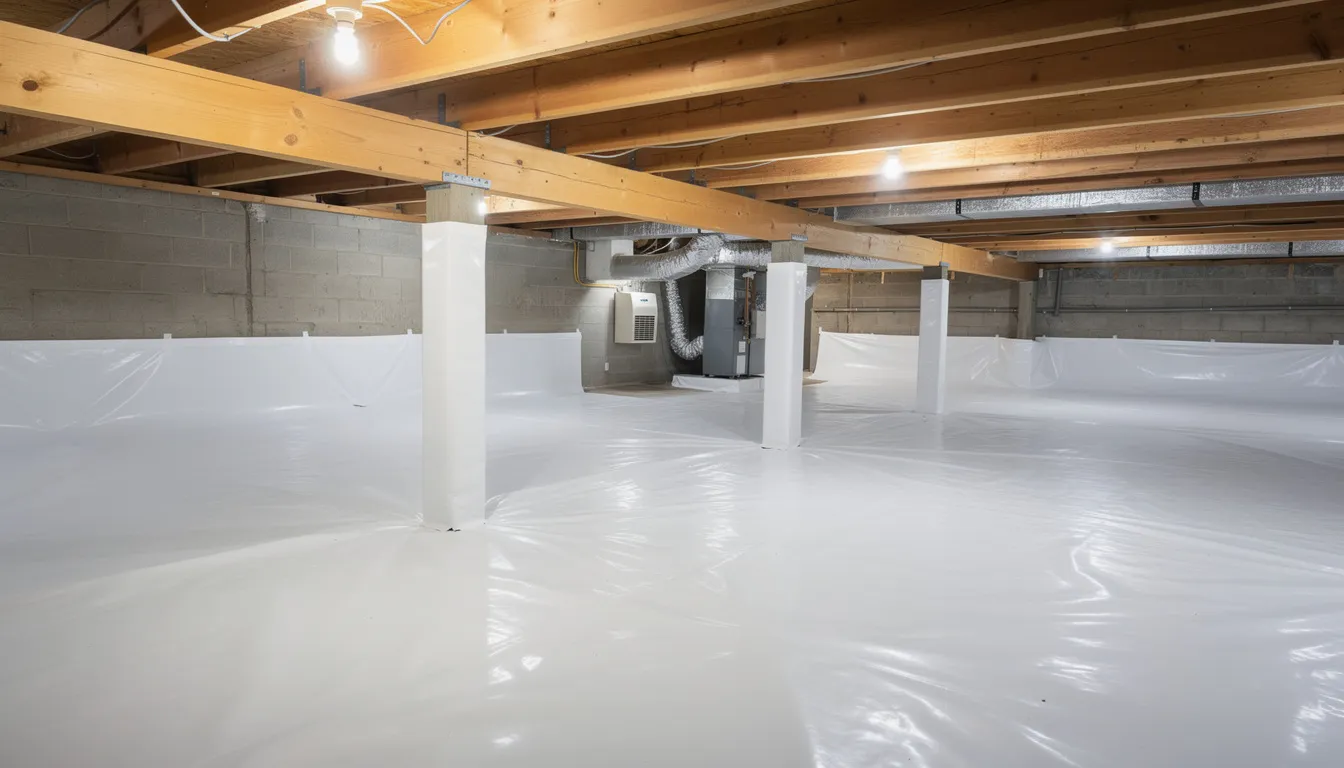
Traditional vented crawlspaces rely on black plastic sheeting on the floor and open foundation vents that allow outdoor air to circulate. In contrast, a sealed or encapsulated crawlspace uses a heavy white liner on the floor and walls, sealed vents, and often mechanical moisture control. The difference in overall air quality between these two approaches can be significant.
Encapsulation is designed to manage ground moisture and control air movement into the space. Aerus crawlspace air purification focuses on treating the air that remains within that conditioned area, addressing airborne particles, mold spores, and persistent odors that encapsulation alone doesn’t remove.
Here’s how these systems complement each other:
-
A sealed crawlspace in Piscataquis County typically uses a heavy white liner (12-20 mil) on floor and piers, sealed rim joists with spray foam or rigid board, and closed foundation vents
-
Many encapsulated crawlspaces also include a sump pump to handle seasonal groundwater and a dehumidifier to maintain humidity below 50-60% RH
-
Air purification treats residual airborne particulates and gaseous pollutants within the crawlspace air volume that moisture control doesn’t address
-
Combined systems prevent mold growth while also improving the fresh air that eventually migrates upstairs
Think of it this way: Before encapsulation and purification, a vented crawlspace is damp, uncontrolled, and full of stagnant air. After proper sealing and air treatment, the space is dry, conditioned, and treated around the clock.
Aerus of Brewer Maine does not perform structural encapsulation work. However, our crawlspace air purification solutions are often installed in encapsulated or partially sealed spaces completed by local contractors. We coordinate with your existing moisture control systems to create a complete approach.
How ActivePure® Technology Helps Crawlspace Air
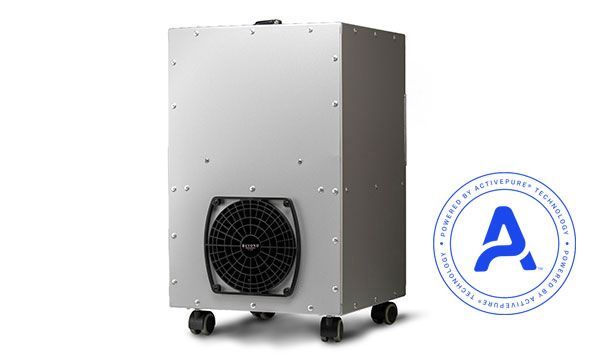
Many Aerus air purification systems offered by Aerus of Brewer Maine are powered by ActivePure® Technology, which uses Advanced Photohydrolysis to treat air and exposed surfaces inside the coverage area. This filter technology represents a different approach than traditional hepa filter or activated carbon filter systems that only treat air passing through the unit.
When installed in a crawlspace, the ActivePure® Technology unit operates continuously, circulating treated air throughout the space. The technology creates a reactive process using UV light on a catalytic surface to reduce certain airborne and surface contaminants 24/7.
Key points about ActivePure® Technology in crawlspaces:
-
Testing on a range of bacteria, viruses, and mold spore particles vary has been performed in unaffiliated laboratories. Full details and tested air purifiers results are available at activepure.com/scientific-proof
-
The goal is to reduce airborne particles such as average dust and other fine particulate matter common in unfinished spaces
-
Persistent crawlspace odors associated with damp building materials and mildew can be addressed
-
Systems support a more controlled air environment underneath the home when combined with moisture management
A dedicated crawlspace unit differs from a portable purifier designed for a bedroom. Crawlspace installations consider mounting location on joists or walls, exposure to unfinished framing and insulation, continuous operation expectations in varying temperatures, and the larger air volume typically found in these spaces. Portable units with smart features like sleep mode or auto mode aren’t designed for the demanding conditions of an unfinished crawlspace.
Crawlspace Air Purification Options From Aerus Of Brewer Maine
Aerus of Brewer Maine tailors recommendations based on crawlspace size, layout, and whether the area is open, partially sealed, or fully encapsulated. We don’t use a one-size-fits-all approach because crawlspace conditions vary widely across Piscataquis County properties.
Common Aerus product applications for crawlspaces include:
| Application Type |
Typical Setting |
Key Features |
|---|---|---|
| Wall-mounted ActivePure® Technology unit |
Smaller crawlspaces in 1950s ranch homes (under 1,000 sq ft) |
Compact design, continuous operation, minimal airflow disruption |
| Higher-capacity purification system |
Multi-section crawlspaces under large farmhouses or lake properties near Moosehead Lake |
Greater coverage, enhanced filtration capacity, robust construction |
When evaluating options, we consider:
-
Coverage criteria based on square footage and approximate ceiling height of your crawl spaces. Air purifiers are most effective when used in appropriately sized spaces, ensuring they can perform multiple air changes per hour, especially in basements which often require units capable of this level of performance.
-
Access points for installation and future maintenance
-
Integration with existing dehumidifiers or hvac systems
-
Energy efficient operation to minimize impact on energy bills
When discussing filter options, it's worth noting that Alen offers a wide range of filter options and features to meet different customer needs and preferences. Aerus systems focus on robust, crawlspace-specific solutions, which may differ from the broader consumer-oriented features found in Alen's lineup.
Maintenance expectations are straightforward: periodic filter changes where applicable, ActivePure® Technology cell replacement on recommended schedules, and visual inspections during routine service visits. Using high quality filters is essential for effective removal of tiny airborne particles like dust and mold spores. Some systems also offer a washable pre-filter, which provides ease of maintenance, cost savings, and extends the lifespan of the main filter. Unlike some best air purifier options designed for living spaces, crawlspace units prioritize durability over convenience features like remote control.
Optional integration with your home’s main air strategy is available. Many homeowners combine a crawlspace purifier with a whole-home air purifier on the main floor for a unified approach to improve air quality throughout the structure.
All Aerus systems are designed, engineered, and developed in America, reflecting our legacy since 1924. This isn’t the best air purifier you’ll find at a box store—it’s a long-term investment in your home’s air quality indicator and overall well being.
Air Purifier Features for Crawlspaces
Selecting the right air purifier for your crawlspace means looking for features that address the unique challenges of these often damp and enclosed areas. Crawlspaces are prone to excess moisture, which can lead to mold growth and persistent odors—both of which contribute to poor air quality. An effective air purifier for crawlspaces should be equipped with a high-quality HEPA filter to capture mold spores and other airborne particles that can circulate through your home.
Additionally, an activated carbon filter is essential for removing musty odors and gaseous pollutants that are common in crawlspaces. Energy efficiency is another important consideration, as these units often run continuously and you want to keep energy bills in check. Look for air purifiers that are designed to operate in high humidity environments and that feature smart options like air quality sensors and remote control for easy monitoring and adjustment. These features help ensure that your crawlspace remains free from mold, odors, and other pollutants, supporting a healthier home environment.
The Aerus Crawlspace Assessment Process In Piscataquis County
Every crawlspace air purification project begins with an in-person or virtual assessment focused on four steps: Measure, Inspect, Select, and Install/Maintain. This consultative approach ensures we recommend the right solution rather than pushing a standard package.
Here’s how the process works:
Measure We capture approximate crawlspace dimensions, identify access points, and note existing ventilation openings. This includes calculating the air volume that needs treatment and identifying any unusual configurations common in older Piscataquis County homes.
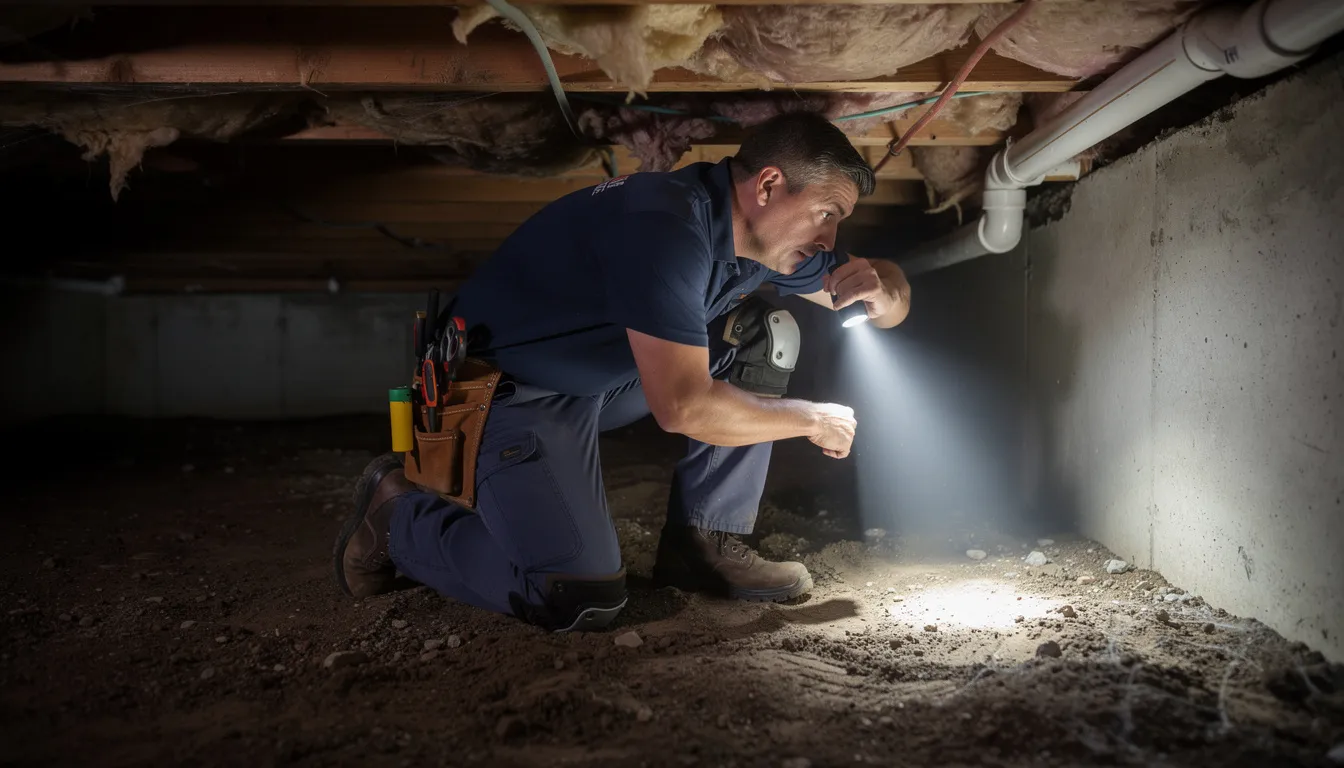
Inspect Our team documents visible moisture signs, insulation condition, existing plastic or liners on the ground, and any odor observations. We also note air quality sensor readings where applicable and check for signs that suggest mold or mildew concerns.
Select Based on our findings, we match Aerus air purification equipment to your specific space. We discuss how the purifier will work alongside any dehumidifiers, sump systems, or encapsulation work already in place. If you don’t have moisture control systems yet, we can coordinate timing with local contractors.
Install/Maintain Typical installations are completed in a single visit. Ongoing maintenance support from Aerus of Brewer Maine includes filter replacement, ActivePure® Technology cell service, and periodic system checks.
We routinely travel from Brewer to Piscataquis County communities for on-site reviews. Visits are typically scheduled within a few business days when weather permits access to crawlspace entries.
Want to get started? Call Aerus of Brewer Maine at (207) 989-5143 or message us online to request an assessment.
Moisture, Odor, Mold Spores, And Air Movement: Getting The Basics Right
Successful crawlspace air purification in Piscataquis County depends on controlling three factors: moisture, odors, and air pathways between the crawlspace and your living areas. Addressing only one of these while ignoring the others typically produces disappointing results.
Moisture Control Aerus focuses on air treatment rather than drainage or structural work. We coordinate with local contractors or homeowners who handle sump pumps, french drains, vapor barriers, and dehumidification. Our purification systems integrate with these existing moisture controls to address what remains in the air after water management is handled.
Untreated crawlspaces in Maine often run 60-80% relative humidity. Mold growth begins at around 60% RH, so reducing moisture is essential before air purification can do its job effectively.
Odor Reduction Persistent musty air or soil-like smells often decline when both moisture and air purification are addressed together. Activated carbon components in some systems help remove odors while particulate filtration handles smaller particles and mold spores.
Air Pathways Minimizing unplanned air movement between your crawlspace and living areas reduces how much conditioned crawlspace air you need in the first place. Simple steps include:
-
Sealing large gaps around plumbing and electrical penetrations
-
Adding door sweeps or gaskets to access hatches
-
Insulating and sealing rim joist areas
-
Ensuring any intentional ventilation is controlled rather than passive
Example scenario: A 1960s Dover-Foxcroft ranch with sagging fiberglass batts, damp soil, and a noticeable musty smell in the living room above. The combined approach would involve replacing the old insulation, adding a vapor barrier and dehumidifier (handled by a local contractor), and installing an Aerus crawlspace purifier to treat remaining airborne particles and odors.
Air Purification for Large Crawlspace Areas
Large crawlspaces present a unique set of challenges when it comes to maintaining good air quality. To effectively clean the air in these expansive areas, you need an air purifier with a high clean air delivery rate (CADR) and a powerful fan capable of circulating air throughout the entire space. A large-capacity filter is also essential to handle the increased volume of airborne particles and pollutants that can accumulate in bigger crawlspaces.
When choosing an air purifier for a large crawlspace, consider the layout and any obstacles that might affect airflow. In some cases, using multiple air purifiers strategically placed throughout the area may be necessary to ensure comprehensive coverage and optimal indoor air quality. Regular maintenance, such as timely filter replacements and cleaning, is key to keeping your air purifier running efficiently and maintaining cleaner air in your crawlspace and the rest of your home.
Maintenance and Upkeep of Crawlspace Air Purification Systems
Keeping your crawlspace air purification system in top condition requires regular maintenance and attention to detail. Start by following the manufacturer’s recommendations for replacing filters, as clogged or dirty filters can reduce the system’s effectiveness and compromise air quality. Periodically clean both the exterior and interior of your air purifier to prevent dust buildup and check for any blockages or signs of wear.
Monitoring the air quality in your crawlspace with an air quality indicator can help you determine if your system is working as intended. It’s also important to ensure proper ventilation in the crawlspace, using vents or fans as needed to reduce moisture and prevent mold growth. By staying on top of maintenance tasks and addressing any issues promptly, you can prevent mold, control moisture, and enjoy improved indoor air quality throughout your home. Regular upkeep not only extends the life of your air purifier but also helps maintain a healthier, more comfortable living environment for your family.
Comparing Crawlspace Air Purification To Other Basement And Crawlspace Solutions
Homeowners often compare crawlspace air purification with options like traditional vent fans, portable dehumidifiers, or standard room air purifiers. Understanding how these solutions differ helps you make an informed decision.
Mechanical Vent Fans vs. Air Purification Vent fans exhaust air from the crawlspace to the outside, relying on dilution to reduce contaminant concentrations. Air purification systems treat the air within the space, actively reducing airborne particles and other pollutants rather than just moving them elsewhere.
Vent fans can work well in some situations, but they may also create pressure imbalances that draw in soil gases or increase energy bills by exhausting conditioned air.
Portable Room Purifiers Bedroom or living room purifiers—even five best air purifiers models—aren’t engineered for unfinished, colder, or damper crawlspaces. These units typically feature:
-
True hepa filter and carbon filter combinations designed for room size applications
-
Speed setting options and auto mode for comfortable living spaces
-
Pre filter and main filter systems that require climate-controlled environments
-
Clean air delivery rate specifications based on standard room conditions
Crawlspace environments are different: temperatures fluctuate, humidity runs high, and there’s no climate control. A better carbon filter won’t help if the unit isn’t designed for these conditions.
Dehumidifiers and Air Purifiers Together Dehumidifiers address excess moisture by removing water from the air. Air purifiers address indoor air pollution by reducing particles, mold spores, and odors. These are complementary solutions for different aspects of the problem.
| Solution |
Addresses Moisture |
Addresses Particles |
Addresses Odors |
|---|---|---|---|
| Dehumidifier only |
Yes |
No |
Partially |
| Vent fan only |
Variable |
No |
Partially |
| Air purifier only |
No |
Yes |
Yes |
| Combined approach |
Yes |
Yes |
Yes |
Comparison of Approaches:
-
Vented crawlspace with no purification: Relies on passive airflow, often increases humidity in summer, no active treatment of indoor air pollution
-
Encapsulated crawlspace with dehumidifier only: Controls moisture and promote mold growth prevention, doesn’t address existing mold spores or gaseous pollutants in the air
-
Encapsulated or improved crawlspace with Aerus purification: Controls moisture, treats airborne particles, addresses odors, provides continuous air quality management
Why Work With Aerus Of Brewer Maine For Crawlspace Air Purification?
Since 1924, Aerus has built durable, serviceable air and water purification systems designed for long-term performance. Aerus of Brewer Maine brings that 101+ year legacy to Piscataquis County homeowners who want crawlspace solutions that last.
Here’s what sets our approach apart:
-
Local knowledge: We understand Piscataquis County crawlspace conditions, including seasonal moisture patterns from Moosehead Lake and the Piscataquis River, common construction details in 1940s-1970s homes, and the challenges of rocky terrain and poor drainage
-
Access to proven technology: Our air purifiers powered by ActivePure® Technology include models designed for demanding, unfinished spaces—not just repurposed bedroom units with replacement filters you can find at any home store
-
Long-term service support: We provide ongoing maintenance, filter and ActivePure® Technology cell replacement, and service relationships that continue year after year
-
Vacuum and floor care expertise: Many homeowners pair crawlspace purification with our vacuum repairs and Lux floor care systems for comprehensive home maintenance
Homeowners can bundle crawlspace air purification with whole-home air solutions or drinking water filtration from Aerus of Brewer Maine. This healthy home systems approach addresses multiple aspects of your home environment without requiring multiple vendors.
We’re not here to sell you a gadget and disappear. Our consultative process—Measure, Inspect, Select, Install, Maintain—means we’re invested in getting results that last.
Ready to discuss your crawlspace? Call Aerus of Brewer Maine at (207) 989-5143 or message us online to schedule a customized proposal.
Next Steps For Crawlspace Air Purification In Piscataquis County
Addressing crawlspace air in Piscataquis County involves three key elements: professional assessment, coordination with moisture control efforts, and selecting the right Aerus purification system for your specific space. Whether you’re dealing with a suspect mold situation, persistent odors, or simply want to improve the air that migrates into your living areas, a structured approach produces better results.
Your 3-Step Action Plan:
-
Schedule a no-obligation crawlspace and air quality review — We’ll measure your space, inspect current conditions, and identify what’s needed
-
Receive a written recommendation — Our proposal outlines equipment options, placement strategy, and maintenance expectations tailored to your crawlspace
-
Decide on installation timing — Many homeowners coordinate purifier installation with encapsulation or dehumidification work for a complete solution
Aerus of Brewer Maine serves both year-round Piscataquis County homes and seasonal camps near Moosehead Lake and other popular areas. Our systems are designed to handle Maine’s climate swings—from January temperatures averaging -5°F to humid August conditions with high humidity levels.
Whether you’re addressing large basements under older farmhouses or compact crawl spaces beneath a 1950s ranch, we have solutions sized for your test space and room size requirements.
Take the next step today: Call Aerus of Brewer Maine at (207) 989-5143 or message us online . Our team will help you plan an effective crawlspace air purification strategy that fits your home, your budget, and your timeline.