Introduction To Winter Water System Protection In Maine
Winter water system protection maine is essential for every home, camp, and small business across Central, Eastern, and Coastal Maine. For examples, seasonal water systems in Maine include campgrounds, ski areas, and lakeside cottages, all of which require special attention to prevent winter damage. When temperatures plunge and stay below freezing for days at a stretch, unprotected water lines, filters, and treatment equipment face serious risk of damage. A single frozen pipe can lead to costly damage that disrupts your household for weeks.
Maine winters bring prolonged subfreezing temperatures, wind chills below 0°F, and ice storms that routinely arrive from November through March. In January, northern regions can see lows dipping to -10°F or colder, while coastal winds in areas like Brewer add extra stress to exposed plumbing and equipment.
Aerus of Brewer Maine focuses on water filtration systems, conditioners, and whole-home plumbing support designed for year-round Maine use. Our team understands the region’s climate and helps homeowners prepare before the first hard freeze arrives. Aerus of Brewer Maine also designs whole-home water filters specifically sized for Maine wells, pumps, and plumbing, ensuring optimal performance and protection.
Winter preparation should begin in early October to prevent frozen pipes, cracked filter housings, and damaged treatment equipment. Waiting until temperatures drop puts your property at unnecessary risk.
Ready to schedule a winter water system checkup? Call us at (207) 989-5143 or message us online to request an appointment with our Brewer-based team.
A winter-ready plan often includes both plumbing protection and optimized water filtration performance. Here’s what makes early preparation so important:
-
Maine’s frost depth reaches 4–6 feet according to state building codes
-
Water expands approximately 9% when it freezes, generating enough pressure to rupture copper and steel pipes
-
Unheated basements, crawl spaces, and garages are high-risk zones for equipment failure
-
Filter housings, pressure tanks, and control valves can crack during extended cold snaps
-
Early assessment allows time for insulation, equipment relocation, or system upgrades before severe weather hits
Maine bedrock can introduce minerals like iron, manganese, and hardness into private wells, leading to staining, scale buildup, and taste concerns.

Understanding Winter Risks To Maine Water Systems
Maine properties face unique challenges when temperatures drop below 32°F for extended periods. Understanding these risks helps you take the right steps before problems develop.
Water systems in this region must contend with frozen pipes, fractured well lines, damaged pressure tanks, and cracked filter housings. Even modern homes built to code can experience issues if equipment sits in vulnerable locations or insulation has deteriorated over time. Property owners are responsible for maintaining and protecting their water service line and in-home pipes to prevent freezing and damage.
Here are the primary winter risks to be aware of:
-
Unheated basements and crawl spaces allow cold air to reach exposed water lines and filtration equipment, especially during January cold waves
-
Garages and utility rooms near exterior walls are high-risk zones when wind chills dip below -10°F
-
Whole-home filtration systems and water conditioners installed near outside walls can freeze if temperatures remain low for several days
-
Expansion of ice inside pipes and housings damages pumps, control valves, and filter cartridges, leading to leaks when the system thaws
-
Well pumps cycling in extreme cold can stress older electrical and plumbing components, especially if the system hasn’t been inspected before the operating season begins
-
Outdoor spigots and exposed hose bibbs are particularly vulnerable and often overlooked until a failure occurs
-
Seasonal water systems at camps and cottages face complete drainage requirements or risk catastrophic damage
Private wells in Maine are unregulated by state agencies, so the responsibility for testing and treatment falls entirely on homeowners. Conditions change seasonally, and water quality issues can develop gradually over months or years without obvious warning signs.
Understanding these risks is the first simple step toward building an effective winter protection plan for your property.
Before The First Hard Freeze: Assessment And Planning
Effective winter water system protection maine starts with a professional assessment. The ideal window falls between mid-September and late October, before the first hard freeze arrives and schedules fill up.
Our team at Aerus of Brewer Maine follows a thorough inspection process to identify vulnerabilities in your water treatment setup. We look at both the equipment we’ve installed and existing plumbing infrastructure to provide a complete picture.
Key inspection points include:
-
Exposed pipes in basements, crawl spaces, and unheated areas
-
Outdoor spigots, hose bibbs, and their associated shut-off valves
-
Well heads and their protective enclosures
-
Pressure tanks and their placement relative to exterior walls
-
Filter housings, media tanks, and drinking water system components
-
Bypass valves and drain options for whole-home filtration equipment
-
Main water shut-off valve location and accessibility
During the assessment, our technicians review your current water filtration and conditioning systems for winter vulnerability. We verify access to the main shut-off valve and label it clearly so you can respond quickly if a line freezes or bursts.
We also document existing issues such as slow flow, pressure loss, or visible corrosion that could worsen during cold weather. Addressing these concerns in the fall prevents mid-winter emergencies and gives you time to schedule any necessary service work.
Book your pre-winter assessment now. Call (207) 989-5143 or message us online to get on the schedule before the cold sets in.
Insulating And Protecting Pipes, Tanks, And Filtration Equipment
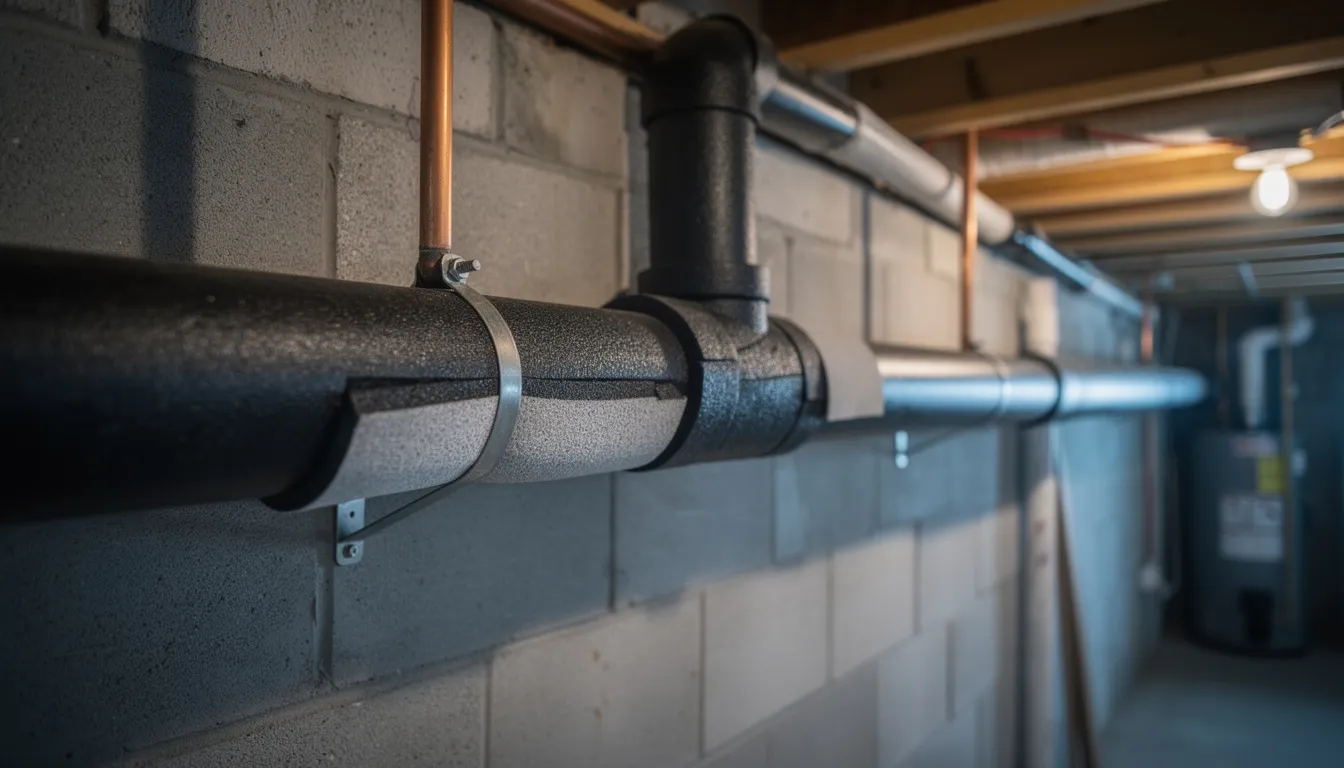
Winter water system protection maine includes proper insulation and strategic placement of water lines, filter housings, and treatment equipment away from cold drafts. Even well-insulated homes can have vulnerable spots where cold air infiltrates during severe weather.
Here are the most effective protective measures for Maine properties:
-
Foam pipe insulation(1–2 inch thickness, semi-slit polyethylene) provides reliable coverage for exposed pipes down to 1/2-inch diameter
-
Heat tape or self-regulating heating cables can be installed per manufacturer instructions on vulnerable sections; self-regulating types adjust output based on temperature to prevent overheating
-
Insulated covers for well heads and meter enclosures reduce exposure to wind and extreme cold
-
Sealing crawl space vents with wood or rigid foam during winter months reduces cold air infiltration significantly
-
Closed-cell spray foam around penetrations and gaps provides higher R-values per inch than standard fiberglass
Aerus technicians evaluate the placement of whole-home filters, softeners, and pressure tanks during our assessments. If equipment sits too close to exterior walls or in drafty areas, we may recommend insulation upgrades or slight relocation to improve winter performance.
For homes in Brewer, Bangor, Orono, and surrounding communities, we frequently see filters installed in basements that would benefit from additional shielding. Sometimes a bit of repositioning or adding insulation around the filter housing makes the difference between smooth operation and a cracked housing in February.
Proper insulation helps maintain consistent flow through Aerus filtration systems during cold snaps. When water temperature stays stable, your equipment operates more reliably and lasts longer.
Sealing Gaps And Cracks To Prevent Cold Air Intrusion
One of the most effective yet often overlooked ways to protect your water systems during the Maine winter is by sealing gaps and cracks that let cold air into your home. Even a small draft can expose pipes and water lines to freezing temperatures, increasing the risk of costly damage. Homeowners can take a few simple steps to safeguard their systems: inspect areas around windows, doors, and foundation walls for any cracks or holes, especially near where pipes run or water meters are located. Use caulk, weatherstripping, or expanding foam to seal these openings and block out cold air.
It’s also important to make sure that heat can circulate freely around vulnerable pipes, especially those in basements, crawl spaces, or utility rooms. Avoid blocking vents or closing off rooms where water lines are present during the winter season. By taking these simple steps, you help maintain a warmer environment around your pipes and water systems, reducing the risk of freezing and ensuring your water flows smoothly all season long. A little attention to air leaks now can make a big difference in protecting your home from winter’s harshest effects.
Winterizing Seasonal Camps And Vacant Properties
Many Maine properties are seasonal camps situated on lakes and rivers throughout the region. Owners typically close these buildings from late October through April, which requires a complete winterization process to prevent catastrophic damage.
Winter water system protection maine for camps involves shutting down the water supply entirely, draining all lines, and preparing filtration and conditioning equipment for months of cold storage. Skipping any step in this process can result in cracked housings, burst pipes, and expensive spring repairs.
The general winterizing sequence includes:
-
Shut off the pump or main water supply at the source
-
Open all faucets and fixtures to allow water to drain from lines
-
Drain the pressure tank completely using the low-point valve
-
Empty or bypass filter housings to avoid freeze damage to cartridges and media
-
Use compressed air (80–100 psi) to blow out remaining water from lines
-
Add propylene glycol antifreeze (RV-safe, non-toxic) to traps and toilets—typically 1–2 cups per bowl to prevent cracking
-
Disconnect and drain any outdoor hoses or irrigation lines
Aerus of Brewer Maine can advise on how to winterize water filtration components properly. We’ll help you understand which parts need to be drained, which can remain in place, and how to prepare everything for a smooth restart in spring.
Vacant rental homes and unoccupied properties need similar winterization steps if heat will be lowered or turned off during the coldest months. Even homes that are “just resting” for a few weeks in January need attention if the thermostat drops too low.
Plan your winterizing visit before the first forecasted hard freeze, typically in late October or early November for much of Maine. Don’t wait until the weather turns—schedules fill quickly in the fall.
Seasonal property owners: Request winterization guidance or schedule service by calling (207) 989-5143 or message us online .
Operating Well Water Systems Safely During Deep Cold
Many Maine homeowners live in their properties year-round and need guidance on daily operation and monitoring during stretches of subzero weather. Even heated homes can experience problems if certain areas drop too cold or if equipment isn’t checked regularly.
Here are practical tips for keeping your water systems running during deep cold:
-
Keep utility rooms heated to at least the mid-40s°F to prevent freezing around pipes, filters, and pressure tanks
-
Avoid turning thermostats too low in areas where water treatment equipment is installed, especially if you’re away for a few days
-
Allow slight water movement through vulnerable interior lines during extended cold snaps—a slow drip from a faucet keeps moving water from freezing solid
-
Monitor your pump for unusual cycling patterns; if you hear the pump running frequently without water being used, investigate the cause
-
Visually inspect accessible pipes and filter housings periodically for frost, condensation, or signs of restricted flow
-
Listen for reduced flow at your tap; sudden pressure drops can indicate a developing freeze point somewhere in the system
Aerus systems are selected and installed with cold-weather performance in mind. We consider basement conditions, proximity to exterior walls, and access for seasonal checks when designing your water treatment layout.
If flow suddenly drops or stops entirely, locate your main shut-off valve immediately and close it. Then contact a professional to inspect the system before attempting to restore water pressure. This simple step can prevent significant water damage if a pipe has already cracked.
Protecting Aerus Water Filtration, Conditioners, And Drinking Water Systems
Aerus of Brewer Maine provides whole-home water filtration systems, water conditioners, and under-sink drinking water units that deliver clean, conditioned water throughout your house. Like any water treatment equipment, these systems need proper winter care to perform reliably through Maine winters.
Here’s how we help you protect your Aerus equipment:
-
Frozen filter housings and valve bodies can crack when ice expands inside, leading to leaks when temperatures rise—prevention through insulation and temperature control is essential
-
Our team sizes and places systems with year-round Maine use in mind, considering basement conditions and proximity to exterior walls
-
Cartridges, media tanks, and control heads should be checked before winter for wear, leaks, or installation issues that could worsen in cold weather
-
Bypass valves on whole-home systems allow you to isolate equipment quickly if problems develop
-
Drinking water systems under sinks in unheated areas may need additional insulation or relocation
Homeowners can schedule routine service in the fall to combine filter replacement with a winter-readiness review. This approach addresses both water quality and equipment protection in a single visit, saving time and ensuring nothing gets overlooked.
Protecting these components helps maintain dependable performance for drinking, bathing, cooking, and cleaning through the coldest months. When your filtration equipment runs smoothly, you don’t have to worry about water quality surprises during a February cold snap.
Integrating Winter Water Protection With Whole-Home Health Systems
Winter water system protection maine often goes hand-in-hand with indoor air quality and overall home comfort during the heating season. When your house is closed up from November through April, the quality of your indoor environment becomes even more important.
Many Maine homes remain sealed tight for months, which increases the significance of clean air, effective water filtration, and reliable vacuums for dust control. Aerus of Brewer Maine offers a coordinated approach to these connected concerns.
Our whole-home systems include:
-
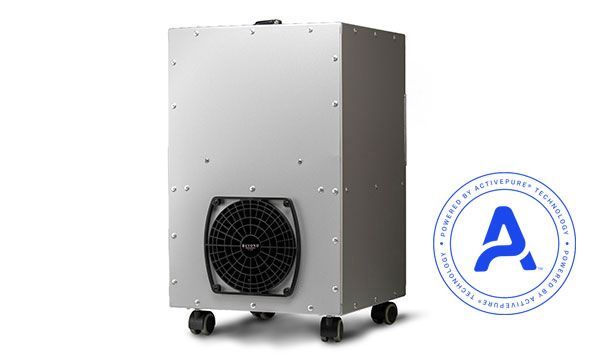
Air purification systems featuring ActivePure® Technology, which uses Advanced Photohydrolysis and operates 24/7 in the space to help reduce contaminants in treated air and on surfaces (test results and a full list of pathogens tested can be found at activepure.com/scientific-proof)
-
Central vacuum systems designed to support a cleaner indoor environment by removing dust and particles more effectively than portable vacuums
-
Water filtration and conditioning systems that address hardness, sediment, and other concerns common in Maine well water
Our team can coordinate water filtration layouts, air purifiers, and central vacuum installations in the same utility areas. This streamlines wiring, plumbing, and service access while making future maintenance more convenient.
Consider scheduling a combined winter prep visit that reviews water, air, and floor care systems together. Addressing all three in one appointment saves time and ensures your entire home is ready for the season ahead.
Maine CDC Guidelines And Recommendations For Winter Water Safety
The Maine CDC offers valuable guidance to help homeowners and property managers keep their water systems safe and reliable throughout the winter. Their recommendations focus on preventing frozen pipes and protecting drinking water, which is especially important for both year-round residences and seasonal water systems found at golf courses, ski areas, and camps across Maine.
According to the Maine CDC, a few simple steps can make all the difference: insulate exposed pipes, seal any gaps or cracks that could let in cold air, and ensure heat can reach all areas where water lines and meters are located. Homeowners should also know exactly where their main water shut-off valve is and be ready to shut off the water quickly in case of an emergency, such as a burst pipe or sudden system failure.
Regular testing and maintenance of your water systems—whether for your home, business, or seasonal property—are also strongly recommended. This proactive approach helps prevent costly damage, ensures your drinking water remains safe, and keeps your systems operating smoothly through even the coldest Maine winter. By following these Maine CDC guidelines, you can protect your property, avoid emergencies, and enjoy peace of mind all season long.
Emergency Response Steps If A Pipe Or System Freezes
Even with thorough preparation, sudden cold snaps or power outages can still lead to frozen pipes and affected filtration components. Knowing what to do—and what to avoid—helps minimize damage and keeps everyone in your house safe.
If you suspect a pipe or system has frozen:
-
Shut off the main water supply immediately to prevent additional water from entering the system
-
Do not use open flames or high-heat devices to thaw pipes—this creates fire hazards and can damage plumbing
-
Do not attempt to disassemble pressurized filter housings or treatment systems without first shutting off water and relieving pressure
-
Warm the surrounding air gradually using safe methods, such as a portable space heater placed at a distance or warming the room with your central heating system
-
Use a hair dryer on low settings for accessible exposed pipes, keeping it moving to avoid concentrated heat
-
Inspect carefully for leaks, cracks, or damaged fittings before restoring full water pressure after thawing
-
Contact a professional if you’re unsure about any step or if you discover damage
After a freeze event near your whole-home filters or conditioners, call Aerus of Brewer Maine for an equipment inspection. We can assess whether housings, cartridges, or control components sustained damage and recommend any necessary repairs or replacements.
Responding calmly and following the right sequence protects your property and prevents a manageable situation from becoming an emergency.
Ongoing Maintenance, Service Plans, And Long-Term Savings
Consistent maintenance is a key part of winter water system protection maine. Regular service visits reduce the likelihood of mid-season failures and help identify potential problems before they become expensive repairs.
Aerus offers scheduled service visits for whole-home filters, conditioners, and drinking water systems. Many customers time these visits for fall and spring to align with seasonal preparation and de-winterization.
Typical maintenance tasks include:
| Task |
Purpose |
Recommended Timing |
|---|---|---|
| Filter replacement |
Maintains flow and water quality |
Every 6–12 months |
| Valve checks |
Identifies wear or leak points |
Annually |
| Pressure evaluations |
Ensures proper system operation |
Before winter |
| Performance reviews |
Catches developing issues early |
Fall and spring |
| Cartridge inspections |
Prevents cracks from going unnoticed |
Before winter storage |
Proactive care supports steady water flow through your appliances and fixtures, helps prevent sudden equipment failure, and can reduce long-term repair and replacement costs. A small investment in regular maintenance often prevents much larger expenses down the road.
Homeowners and small business customers can ask about flexible maintenance plans tailored to specific equipment and usage patterns. Whether you operate a year-round residence, seasonal camp, or commercial property like golf courses or ski areas, we can build a schedule that fits your needs.
Why Choose Aerus Of Brewer Maine For Winter Water System Protection Maine
Aerus has a legacy dating back to 1924, with over a century of experience delivering durable home systems and long-term support. That history means we understand what it takes to build equipment that lasts and service that customers can count on.
Aerus of Brewer Maine is locally owned and serves communities including Brewer, Bangor, Orono, Hampden, and surrounding areas. Our team knows the ground conditions, climate patterns, and common water quality concerns specific to this region.
What sets us apart:
-
Consultative approach: We test, assess, design, install, and maintain water filtration and conditioning systems specifically for Maine’s winter conditions
-
Integrated solutions: Homeowners can coordinate water treatment with Aerus air purification and vacuum systems for a complete healthy home strategy
-
Dependable equipment: Our products are engineered for durability and designed to operate reliably through demanding conditions
-
Responsive local service: When you call, you reach a team that knows your area and can schedule visits promptly
-
Clear communication: We explain what your system needs and why, without pressure or confusion
Our focus remains on helping you maintain reliable water systems through every winter season, year after year.
Get Started With Winter Water System Protection Maine
Now is the time to prepare your home or camp before the next cold front or Nor’easter arrives. Early scheduling gives you options and ensures any equipment updates or insulation improvements are completed before severe cold sets in.
Take the next step today:
-
Call (207) 989-5143 to speak directly with our team about your winter water system needs
-
Submit our secure contact form to request an appointment at your convenience
-
Ask about in-home visits for occupied residences or consultations focused on seasonal camps
-
Request a review of your existing water filtration and conditioning setup
Whether you need a full winterization service for a lakeside camp or a quick inspection of your year-round home’s filtration equipment, we’re prepared to help. Our Brewer-based team understands what Maine properties require and delivers service you can rely on.
Don’t wait for the first hard freeze to discover a problem. Schedule your winter water system protection maine assessment now and rest easy knowing your water systems are ready for whatever this season brings.
Note: The easiest way to dewinterize a property is to have the same professional who winterized it perform the service.
Frequently Asked Questions About Winter Water System Protection Maine
When should I schedule winter water system preparation in Maine, and how early is early enough?
Plan to schedule your assessment between mid-September and late October. This timing allows for any necessary repairs, insulation improvements, or equipment adjustments before sustained freezing temperatures arrive, typically in late October or November.
Do I need to winterize my water treatment system if my home stays heated all winter?
If your home maintains consistent heat above the mid-40s°F in areas where water treatment equipment is installed, full winterization isn’t necessary. However, a fall inspection helps identify vulnerable spots near exterior walls or in drafty basements that could freeze during severe cold snaps.
What areas of my home are most at risk for frozen pipes and damaged filters?
Unheated basements, crawl spaces, garages, and utility rooms near exterior walls present the highest risk. Equipment installed close to outside walls or near uninsulated foundation sections should receive extra attention during winter preparation.
Can Aerus of Brewer Maine inspect my existing non-Aerus filtration system for winter readiness?
Yes. Our technicians can assess most residential water treatment equipment for winter vulnerability, regardless of brand. We’ll identify concerns and recommend appropriate protective measures.
How often should I replace filters or service my conditioner if I use my camp only in spring and summer?
Seasonal properties typically need filter replacement and system service at the start of each operating season. Even if the system sits unused all winter, cartridges and media can degrade, and housings should be inspected for any damage from the previous winter.
What should I do if I suspect a filter housing or pipe has frozen overnight?
Shut off your main water supply immediately and avoid attempting to force water through the system. Do not use open flames for thawing. Warm the surrounding area gradually and inspect for cracks before restoring water pressure. If you’re unsure, contact a professional for assistance.
Is it worth insulating pipes that are already in my heated basement?
Even heated basements can have cold spots, especially near windows, exterior walls, or uninsulated sections of foundation. Adding insulation to pipes in these areas provides an extra layer of protection during extended cold periods.
How do I know if my well pump is struggling during cold weather?
Listen for frequent cycling (the pump turning on and off repeatedly) when no water is being used. This can indicate a freeze point developing somewhere in the system or a pressure tank issue. Reduced flow at fixtures is another warning sign worth investigating promptly.
Have more questions about winter water system protection maine? Our team is ready to help. Call (207) 989-5143 or message us online for personalized guidance from our Brewer-based experts.